Wing Chun Without a Training Partner: The Complete Solo Training Guide
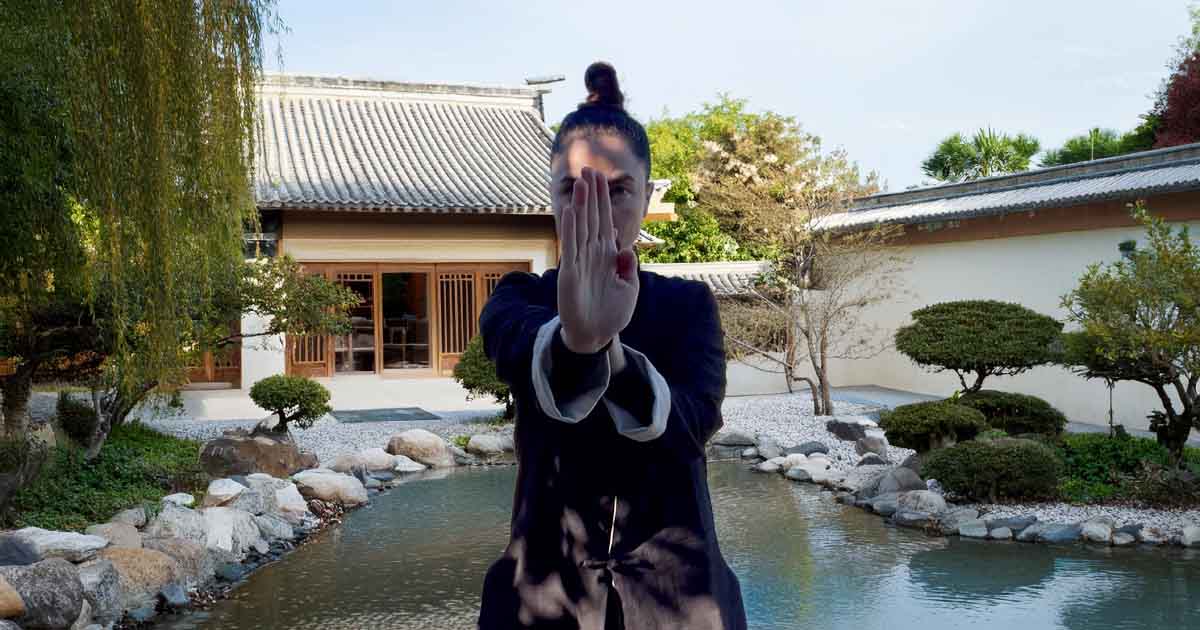
Yes — Wing Chun Solo Training Is Deeply Rooted in Tradition
Yes. Not only can you learn Wing Chun without a training partner — solo practice is baked into the very DNA of the system. The ancient Shaolin monks who laid the foundation for Wing Chun developed a training approach built heavily on solitary practice and the power of visualization. This was not a workaround or a compromise. It was the primary method. Their Buddhist philosophy and monastic lifestyle produced warriors of extraordinary skill, and most of that skill was forged alone.
Understanding why solo Wing Chun training works — and how to do it well — is the key to making real progress without a partner.
The Shaolin Roots of Solo Martial Arts Training
Shaolin monks spent countless hours in solitary practice, perfecting their techniques through repetition and intense focus. They understood that true mastery came from within — that the mind was as crucial to their training as the body. Through deep meditation and visualization, these monks could conjure imaginary opponents, practicing complex techniques and strategies without ever needing a physical sparring partner. They would enter a state of deep concentration, creating vivid mental images of opponents attacking from multiple angles, then respond to those imagined attacks with precise movements that developed reflexes and muscle memory just as effectively as physical contact.
This tradition is directly ancestral to Wing Chun. The system's forms — Siu Nim Tao, Chum Kiu, Biu Jee — are solo practice tools that encode the entire art. Every principle, every technique, every structural concept lives in those forms. You don't need a partner to access them.
What Wing Chun Techniques Can You Practice Without a Partner?
More than most people expect. Here is what Wing Chun solo training covers:
- Siu Nim Tao — the first form, performed standing in place. The foundation of every Wing Chun technique. Slow, precise repetition builds structure, relaxation, and correct hand positions.
- Chum Kiu — the second form, introducing turning, stepping, and coordinating the upper and lower body together.
- Biu Jee — the advanced form, practiced once the first two are well established.
- Stance holding (Yee Gee Kim Yeung Ma) — develops the leg strength, root, and structural stability that all Wing Chun technique depends on.
- Chain punching (Lien Wan Kuen) — drilled solo against a wall bag or into the air, building forward energy and striking structure.
- Individual hand technique repetitions — Tan Sao, Bong Sao, Fook Sao, Wu Sao, Pak Sao — each repeated slowly and precisely to wire in correct mechanics.
- Switching Kwan Saos — a solo drill that builds muscle memory for deflecting pressure and transitioning between defensive and offensive positions.
- Wooden dummy training (Muk Yan Jong) — the dummy simulates partner resistance and allows you to practice techniques with real feedback. The 108-movement dummy form is a complete solo training tool.
- Wall training — practicing hand techniques against a smooth wall to develop proper forward structure and energy.
- Visualization drills — mentally rehearsing technique sequences against imagined opponents, developing spatial awareness and intuition in the tradition of the Shaolin monks.
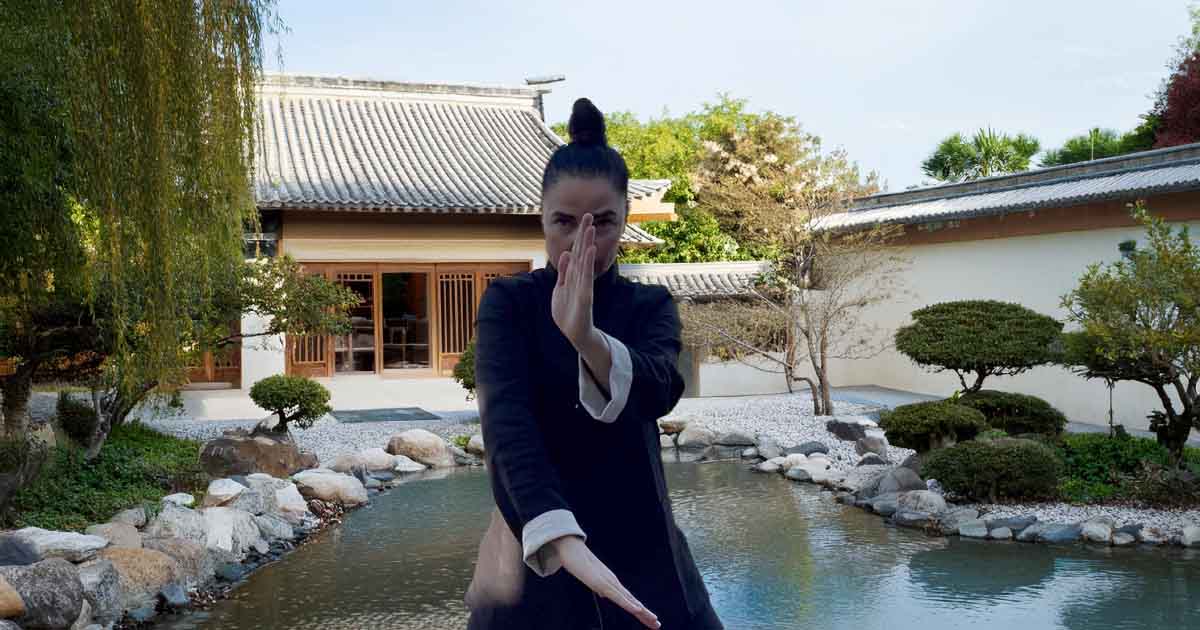
The Role of Visualization in Wing Chun Solo Practice
Visualization is not just a mental exercise — in Wing Chun solo training, it is a precision tool. When you practice Siu Nim Tao, you are not moving your hands through empty air. You are training against an implied centerline, an implied opponent. The more vividly you can mentally place a threat in front of you and feel the purpose behind each movement, the more your nervous system responds as if the training is real.
The Shaolin warriors who developed these methods could defeat opponents they had never physically trained with, simply through the depth of their mental practice. Modern sports science confirms what they understood intuitively: mental rehearsal activates the same neural pathways as physical practice. For Wing Chun, this means visualization during solo forms practice is genuinely training your responses — not just passing time.
What Solo Training Builds — and What It Doesn't
It's worth being honest about where solo Wing Chun training is unbeatable, and where partner work eventually adds something it can't fully replace.
What solo training builds exceptionally well:
- Correct structure and body mechanics
- Relaxation under self-generated pressure
- Muscle memory for hand positions and transitions
- Forward energy and rooting
- Self-discipline and internal focus
- Deep understanding of Wing Chun principles
What partner work adds when you're ready:
- Chi Sao (sticky hands) — sensing and responding to live force through contact
- Timing and distance management against a moving opponent
- Adapting your structure under external pressure
Chi Sao is Wing Chun's partner sensitivity drill — it is deeply important to the system and does require another person. But Chi Sao cannot be done well without the structural and technical foundations that solo practice builds first. You are not missing Chi Sao by training alone — you are preparing for it.
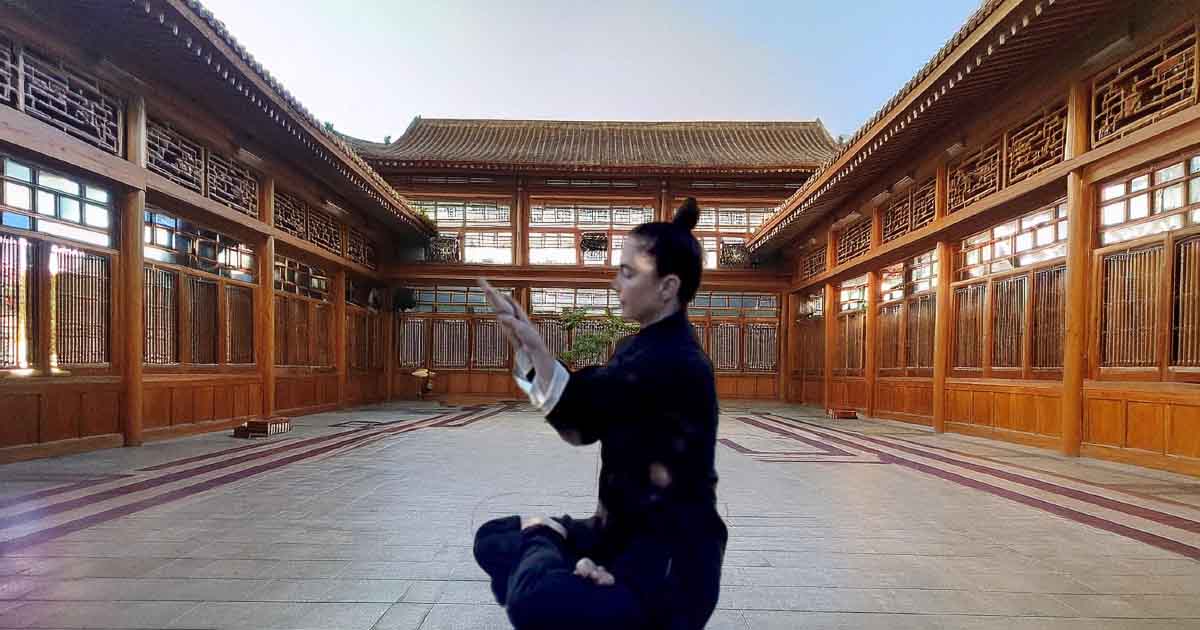
Getting the Most From Wing Chun Solo Training
The key to effective Wing Chun training without a partner is structured, principle-driven practice. Repeating movements without understanding their purpose will only build incorrect habits. You need to know what each technique is doing, why it works, and what you are trying to feel in your body as you practice it.
This is where a quality structured program makes all the difference. Our Wing Chun online training and certification program gives you detailed instruction on every technique, explains the principles behind each movement, and guides you through the correct progression — so that every solo session you do at home is building real, correct Wing Chun skill.
Frequently Asked Questions
Can you learn Wing Chun without a training partner?
Yes. The forms, stance work, chain punching, individual hand technique drills, and wooden dummy training are all solo practice. Wing Chun's system was designed with extensive solo training content from the very beginning.
What Wing Chun drills can be done solo?
All three open-hand forms (Siu Nim Tao, Chum Kiu, Biu Jee), stance holding, chain punching, Tan Sao, Bong Sao, Fook Sao, Kwan Sao switching drills, wooden dummy training, and visualization practice can all be done without a partner.
Does Wing Chun require a training partner?
Wing Chun does not require a partner to begin or to build strong foundational skills. Chi Sao requires a partner, but it is introduced after solo foundations are solid. Many practitioners train alone for months before adding partner work.
What is Chi Sao and can it be practiced without a partner?
Chi Sao is Wing Chun's sticky hands sensitivity drill and does require a partner. However, the structure and technique needed to do it well are entirely built through solo practice first — so training alone is preparation, not a detour.
How did Shaolin monks train without partners?
Through solo forms, deep meditation, and visualization — mentally conjuring opponents and responding with precise movements. This method developed reflexes and muscle memory through imagined resistance, and it underpins much of Wing Chun's solo training tradition.