How to Practice Wing Chun Without a Partner
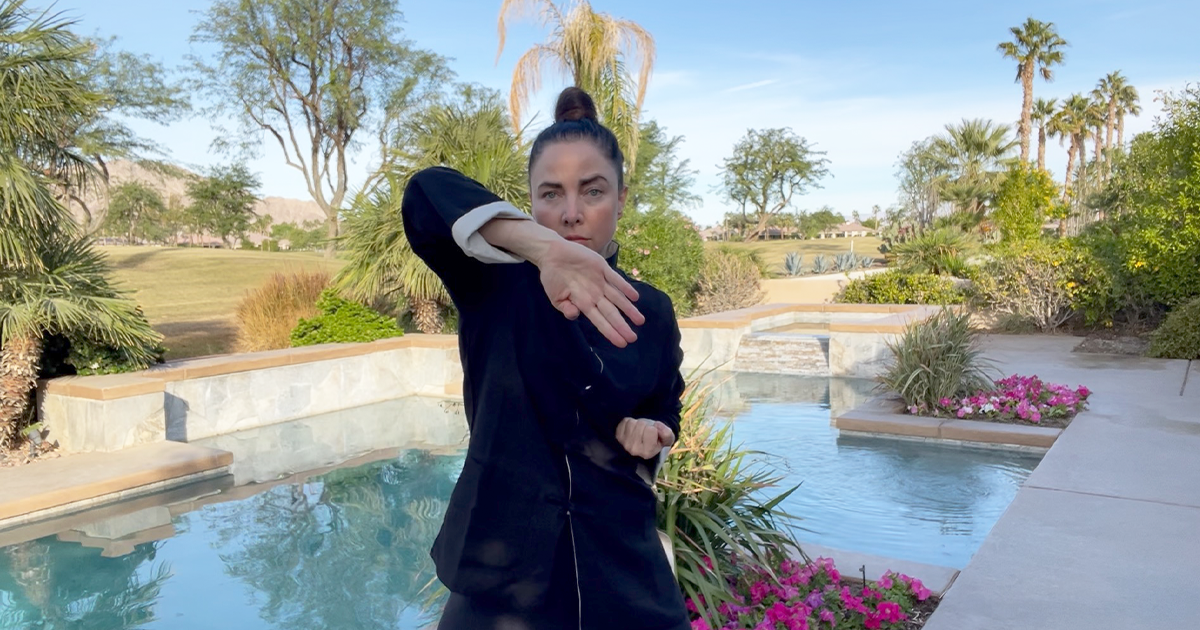
You Don't Need a Partner to Train Wing Chun
One of the most common concerns for people starting Wing Chun — especially those learning online or without a local school — is whether they can really train without a partner. The answer is a clear and confident yes. Wing Chun's curriculum was designed with extensive solo training built directly into its structure. The forms, foundational drills, and wooden dummy training that make up the bulk of the system are all solo practices.
With a good structured program like our Wing Chun online training and certification course, solo practice can take you very far — further than most beginners expect.
The Best Solo Wing Chun Drills
1. Siu Nim Tao — The Foundation of Everything
Siu Nim Tao is the first Wing Chun form and a purely solo practice. Practiced slowly and mindfully, it builds the foundational structure, relaxation, and hand positions that underpin every Wing Chun technique. Even advanced practitioners return to Siu Nim Tao daily.
2. Chum Kiu — Adding Movement and Turning
The second form introduces stepping, turning, and the integration of the body's mass into Wing Chun techniques. Chum Kiu is also a solo form and can be practiced anywhere with enough space to step. Focus on smooth weight transfer and correct turning while maintaining structure throughout every transition.

3. Chain Punching Against a Wall Bag
A wall bag mounted to a wall is one of the most valuable and affordable solo Wing Chun tools. Chain punching against a wall bag develops striking power, hand conditioning, correct alignment, and forward pressure. Aim for sets of 30–60 seconds, keeping your elbows down, shoulders relaxed, and punches tracking straight along the centerline.
4. Stance Training
Holding the Wing Chun stance (Yee Ji Kim Yeung Ma) builds leg strength, root, and structural awareness. Begin with sets of 2–5 minutes and gradually extend your hold time. Focus on alignment of your knees, hips, and spine — not just enduring the burn.
5. Wooden Dummy Training
The Mook Yan Jong (wooden dummy) is Wing Chun's primary solo training tool for developing precision, timing, and the application of techniques against a fixed structure. If you have one, it should be central to your solo training. If not, diligent form practice and a wall bag cover most of the same ground.

A Sample Solo Training Session
- Warm-up / Qigong — 5 minutes of breathing and joint mobilization
- Stance training — 3 sets of 3 minutes in Yee Ji Kim Yeung Ma
- Siu Nim Tao — 1–2 slow, mindful repetitions (10–15 minutes)
- Chain punching — 5 sets of 60 seconds against a wall bag or into the air
- Footwork drills — 5 minutes of advancing, retreating, and triangular stepping
- Chum Kiu — 2–3 repetitions focusing on smooth turning and stepping
- Wooden dummy (if available) — 10–15 minutes of technique application
- Cool-down — light stretching and breathing
Frequently Asked Questions
Can you practice Wing Chun without a partner?
Yes. The majority of Wing Chun's curriculum — all three empty-hand forms, wooden dummy training, and foundational drills — can be practiced solo. Solo training builds structure, technique, muscle memory, and focus.
What Wing Chun drills can I do alone?
Solo drills include all three empty-hand forms (Siu Nim Tao, Chum Kiu, Biu Tze), wooden dummy training, chain punching against a wall bag, stance training, footwork drills, and Qigong exercises.
Is a wooden dummy necessary for solo Wing Chun training?
Not required — especially for beginners. The empty-hand forms and basic striking drills can be practiced without any equipment. A wall bag is a more affordable alternative for developing striking power.
How long should I practice Wing Chun solo each day?
Even 20 to 30 minutes of focused daily practice produces significant progress. A good session: Siu Nim Tao (10–15 min), chain punching and basic drills (10 min), and footwork (5 min).
Solo Wing Chun training is not a compromise — it's a core part of the practice. Start today with the free Siu Nim Tao eBook, or enroll in our full Wing Chun online training and certification program for complete solo curriculum guidance.
Start the Wing Chun Online Certification Course
The complete Wing Chun system taught by a 3rd Generation Ip Man lineage master. No partner needed, no local school required. Beginner to certified Sifu — fully online.
View the Course →