No — And Wing Chun Is Actually Built for You
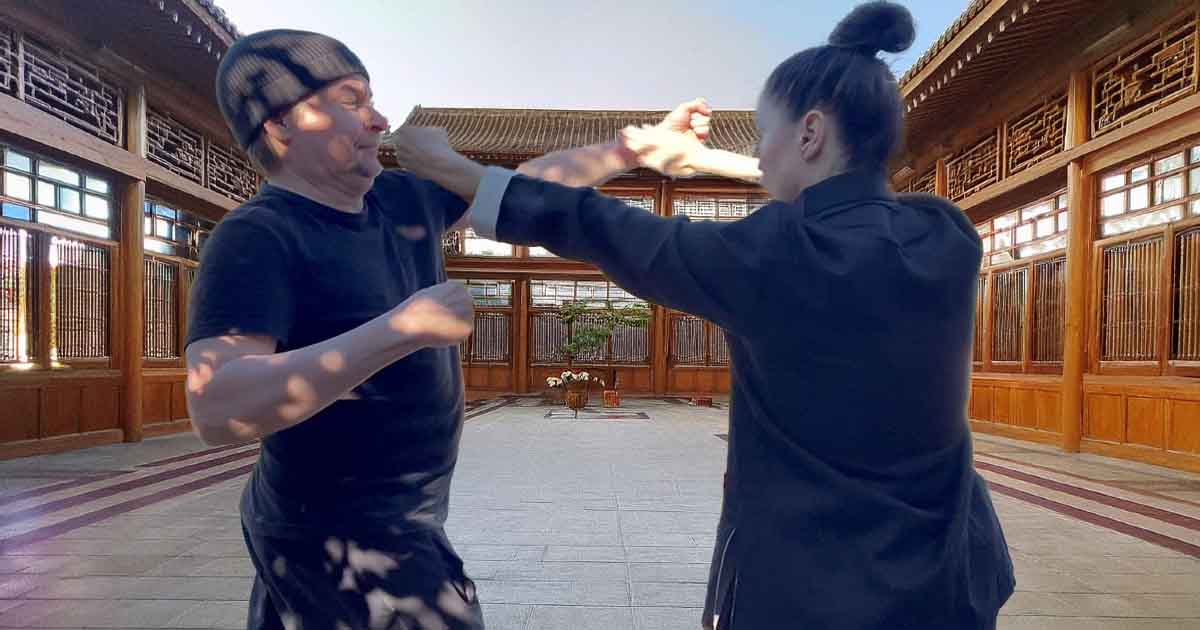
No. 50 is not too old to learn Wing Chun — and in several important ways, it's an ideal age to start. Wing Chun is one of the few martial arts specifically designed to work without relying on youth, size, or raw athleticism. Its principles of structure, leverage, and economy of motion mean that a 50-year-old practitioner who trains intelligently can develop genuine, functional skill that a younger, stronger person cannot simply overpower. This is not motivational language — it is the design philosophy behind the art.
Unlike styles that demand extreme flexibility, explosive speed, or the physical resilience of a 25-year-old body, Wing Chun asks something different: attention, patience, and a willingness to understand how your body moves. Those are qualities that tend to improve with age, not diminish.
Why Wing Chun Suits Older Learners Better Than Most Martial Arts
Here's what makes Wing Chun specifically well-matched to practitioners over 50:
The Physical and Mental Benefits of Wing Chun at 50+
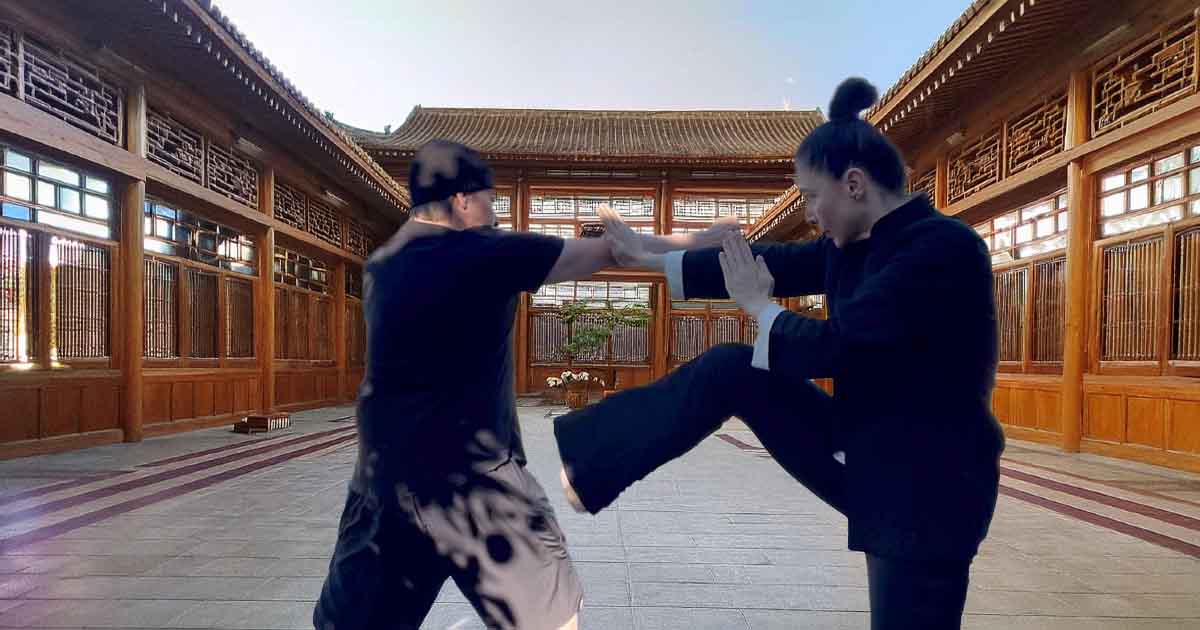
The benefits of starting Wing Chun at 50 extend well beyond self-defense. Regular Wing Chun practice improves balance and coordination, builds body awareness, enhances posture and structural alignment, and develops a quality of focused calm that carries into daily life. Practitioners consistently report reduced stress, improved mental clarity, and a sense of physical confidence that comes not from being stronger than everyone else — but from knowing exactly how your body works and how to use it.
The cognitive engagement of learning Wing Chun is also significant. Memorizing forms, understanding principles, and developing the sensitivity to feel structure in your own body all provide the kind of mental stimulation that supports long-term cognitive health. Many practitioners describe Wing Chun as a moving meditation — a practice that sharpens both body and mind simultaneously.
How to Adapt Wing Chun Training at 50
The good news is that Wing Chun doesn't need much adapting for mature practitioners — the art is already built for sustainable, long-term practice. A few principles worth keeping in mind:
Starting Your Wing Chun Journey at 50
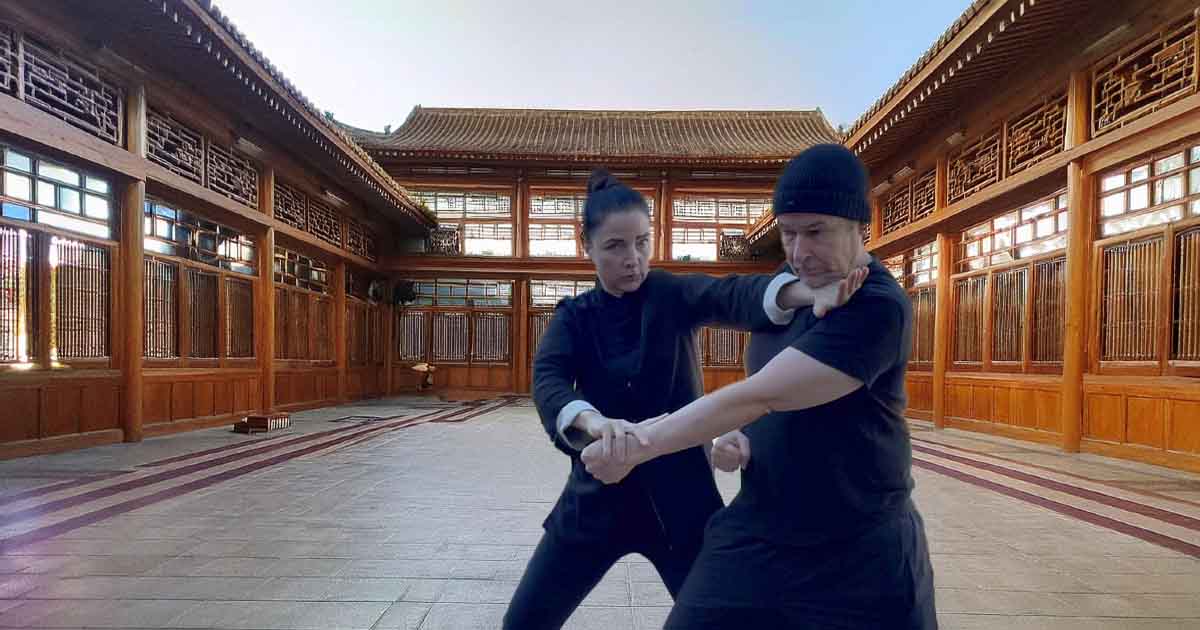
Perhaps the most important thing to say about learning Wing Chun at 50 is this: the people who make it to intermediate and advanced levels of Wing Chun are rarely those who started young. They are the ones who kept practicing. They are the ones who understood that Wing Chun is a long game — and that every session, practiced with attention and consistency, compounds into genuine skill over time. Starting at 50 gives you decades of that compounding.
Online learning has removed every practical barrier. You don't need to drive to a school, keep pace with a class, or feel self-conscious among younger students. The Wing Chun Online Certification Course is designed for exactly the kind of focused, self-directed learner that most 50-year-olds are. Age is not the obstacle. It never was.
Frequently Asked Questions
Is 50 too old to learn Wing Chun?
No. Wing Chun is one of the most age-friendly martial arts in existence, emphasising structure and leverage over strength and athleticism. Many practitioners begin in their 50s, 60s, and beyond and make excellent progress.
Why is Wing Chun good for older adults?
Wing Chun requires no extreme flexibility, no jumping, no acrobatics, and no size advantage. Its principles — centerline theory, economy of motion, structure over power — are developed through intelligent practice rather than athleticism, making it uniquely accessible for practitioners over 50.
Can you learn Wing Chun at 60 or 70?
Yes. Wing Chun was designed to work regardless of physical size or age. The system's legendary founder, Ng Mui, is said to have been an elderly woman — the art was built from the ground up for those who cannot rely on strength or athleticism.
What are the benefits of Wing Chun for people over 50?
Benefits include improved balance and coordination, increased body awareness, reduced stress, enhanced mental focus and cognitive function, greater physical confidence, improved posture, and a deep sense of personal accomplishment and growth.
How should a 50-year-old adapt Wing Chun training?
Prioritise slow, precise practice over speed. Warm up properly before each session. Train consistently in shorter sessions rather than occasional long ones. Online programs are particularly well-suited for mature learners — self-paced, low-pressure, and allowing unlimited review of material.