What Is Qigong — and Why Do I Teach It Alongside Wing Chun?
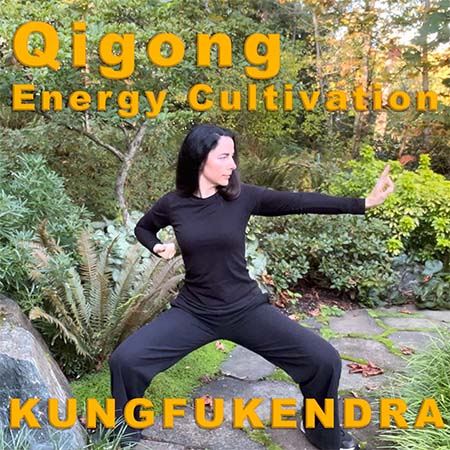
The Practice That Changed Everything Else
People sometimes raise an eyebrow when they see Qigong on my curriculum alongside Wing Chun forms, certifications, and weapons training. "What does energy cultivation have to do with martial arts?" The answer, if you understand Wing Chun at a deep level, is: everything. Wing Chun's highest-level concept — Nim Lik, or idea force — is essentially a Qigong concept. The ability to generate and project internal energy through intention is what separates advanced Wing Chun from people just moving their arms quickly. And Qigong is how you develop it.
But Qigong isn't just for martial artists. I teach it because it works for everyone — practitioners looking to deepen their Wing Chun, people dealing with stress, students who want better energy and focus, and anyone who wants to feel genuinely well in their body. The benefits are real, they're measurable, and they don't require any prior martial arts experience. You just have to be willing to slow down and pay attention.
What Qigong Actually Is
Qigong — also written Chi Kung — translates to Energy Work or Energy Cultivation. Qi (氣) is the Chinese concept of life energy or vital force; Gong (功) means work, skill, or cultivation. Together: the practice of developing and directing your vital energy. It has been practised in China for thousands of years as a health practice, a meditative discipline, and a foundation for martial arts.
What distinguishes Qigong from other movement practices is the integration of three elements simultaneously:
- Movement — slow, deliberate, coordinated physical movements that guide energy through the body's pathways
- Breath — conscious breathing patterns coordinated with movement to circulate and build Qi
- Intent (Yi) — focused mental attention directed to specific areas or pathways in the body, which in Chinese medicine and martial arts is understood to direct the flow of Qi
The combination of these three elements is what makes Qigong more than just gentle exercise. It's a system for developing body awareness, internal sensitivity, and the kind of focused calm that has measurable effects on health, stress, and mental clarity.
What Qigong Does for Your Body and Mind
I've seen Qigong change people's lives — not dramatically, not overnight, but consistently and reliably over time. Here's what regular practice actually develops:
- Energy levels — Practitioners consistently report better sustained energy throughout the day, less afternoon fatigue, and improved sleep quality
- Stress reduction — The slow, rhythmic movement combined with focused breathing activates the parasympathetic nervous system — the body's rest-and-recover mode. Students who train during stressful periods in their lives frequently describe Qigong as the thing that kept them stable
- Body awareness — Qigong develops a sensitivity to internal states — tension, energy flow, blockages — that most people in modern life never develop. This awareness is both intrinsically valuable and directly applicable to martial arts training
- Joint health and flexibility — The gentle, flowing movements maintain and improve joint mobility without the impact stress of conventional exercise
- Mental clarity and focus — The requirement to hold attention on breath, movement, and intent simultaneously trains concentration in a way that carries over into every other area of life
- Immune function — Traditional Chinese medicine and an increasing body of modern research associate regular Qigong practice with improved immune function and resilience
How Qigong Deepens Wing Chun
For Wing Chun practitioners specifically, Qigong addresses something that forms practice alone struggles to develop: the internal dimension. Wing Chun's third section of Sil Lim Tao is slow specifically to develop Nim Lik — idea force. But many practitioners train that section without understanding what they're trying to develop, because they've never experienced what internal energy cultivation feels like.
Qigong gives you that experience. When you've practised Qigong consistently and begin to feel the movement of Qi in your body — the warmth, the tingling, the sense of current moving through your arms — you bring that awareness back into your Wing Chun and suddenly the slow section makes sense in a completely new way. You're not just moving slowly. You're cultivating something.
Beyond Nim Lik, Qigong develops the relaxed alertness that Wing Chun requires at the highest level. Tension is the enemy of Wing Chun sensitivity. Qigong is one of the most effective practices for developing genuine relaxation — not passivity, but the alert, responsive relaxation that allows you to feel and react without interference from muscular tension.
My Qigong Course — What's Included
I designed this course for two audiences: complete beginners who have never practised Qigong and want a genuine introduction, and Wing Chun practitioners who want to develop the internal dimension of their training. It works for both because the foundations are the same.
- Introduction to Qi — what it is, how traditional Chinese medicine and martial arts understand it, and why cultivating it matters
- Foundational breathing techniques — the breathing patterns that activate and circulate Qi
- Standing Qigong (Zhan Zhuang) — the foundational still practice that builds internal energy and rooting
- Moving Qigong sequences — coordinated movement and breath exercises for energy circulation and health
- The connection between Qigong and Wing Chun's internal principles — specifically Nim Lik and Yi
- Daily practice structure — how to build a sustainable Qigong habit that fits into a real life
- Meditative Qigong — practices for mental clarity, stress reduction, and focused calm
Qigong is the practice I come back to when everything else feels overwhelming. It has that effect on everyone who practices it consistently. Start with the Qigong online course and find out for yourself.
Frequently Asked Questions
What is Qigong?
Qigong (also written Chi Kung) is an ancient Chinese practice that cultivates internal energy — Qi — through coordinated movement, breathing, and focused intention. It has roots in traditional Chinese medicine, Taoist philosophy, and martial arts, and is practised for health, vitality, stress reduction, and as a foundation for internal martial arts like Wing Chun.
How does Qigong relate to Wing Chun?
Wing Chun's concept of Nim Lik — idea force — and its emphasis on internal energy are deeply connected to Qigong principles. Qigong develops the practitioner's awareness and control of Qi, which directly enhances the internal qualities that Wing Chun's higher-level techniques depend upon. Many Wing Chun masters have incorporated Qigong into their training as a way of developing the internal foundation that forms practice alone cannot fully cultivate.
Can beginners practise Qigong?
Yes — Qigong is one of the most accessible practices in the Chinese martial and wellness tradition. Its movements are gentle, low-impact, and suitable for all ages and fitness levels. Beginners can start immediately and experience tangible benefits — improved energy, reduced stress, better sleep, and greater body awareness — within weeks of consistent practice.
How long should you practise Qigong each day?
Even 10-15 minutes of daily Qigong practice produces noticeable benefits. Consistency matters far more than duration — a short daily practice is more beneficial than occasional long sessions. Most practitioners naturally extend their sessions as they become more experienced and begin to feel the benefits more deeply.
Can you learn Qigong online?
Yes — Kung Fu Kendra offers a complete online Qigong course at KungFuKendra.com with expert video instruction covering breathing techniques, foundational movements, energy cultivation practices, and how to integrate Qigong with Wing Chun training.
Start the Wing Chun Online Certification Course
The complete Wing Chun system taught by a 3rd Generation Ip Man lineage master. No partner needed, no local school required. Beginner to certified Sifu — fully online.
View the Course →