Wing Chun for Women: Is It Effective for Self-Defense?
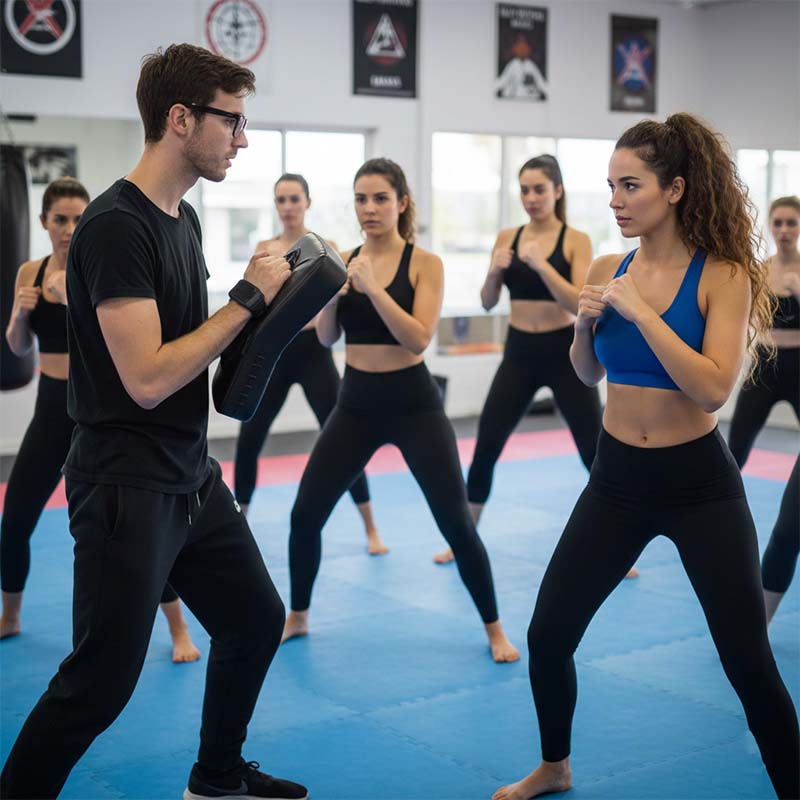
Wing Chun Was Made for Women
Of all the martial arts in the world, Wing Chun has a uniquely compelling origin story for women. According to tradition, Wing Chun was created by a woman — Ng Mui, a Shaolin nun — and passed down to a young woman named Yim Wing Chun, from whom the art takes its name. The system was specifically designed so that a smaller, lighter person could overcome a larger, stronger attacker without relying on size, weight, or muscular strength.
That founding philosophy makes Wing Chun not just suitable for women — it makes it one of the most practical self-defense martial arts women can learn. And as a Wing Chun practitioner and instructor myself, I can tell you from personal experience: it works.
Why Wing Chun Works So Well for Women
It Doesn't Rely on Strength or Size
Most martial arts, at some level, favor the bigger and stronger practitioner. Wing Chun was deliberately engineered to eliminate this advantage. Power in Wing Chun comes from structural alignment, forward pressure, and the redirection of an opponent's force — not from muscular effort. A woman who trains Wing Chun seriously can generate devastating power without needing to overpower her attacker physically.
It Targets Vulnerable Areas
Wing Chun attacks the centerline of the body — the throat, eyes, nose, and other vulnerable targets that don't require great force to be effective. In a real self-defense situation against a larger attacker, targeting these areas is far more practical than trying to win a strength contest.
Simultaneous Attack and Defense
In Wing Chun, you don't block and then counterattack — you do both at the same time. This simultaneous approach is critically important for women in self-defense situations where speed and decisiveness matter more than sustained fighting ability.
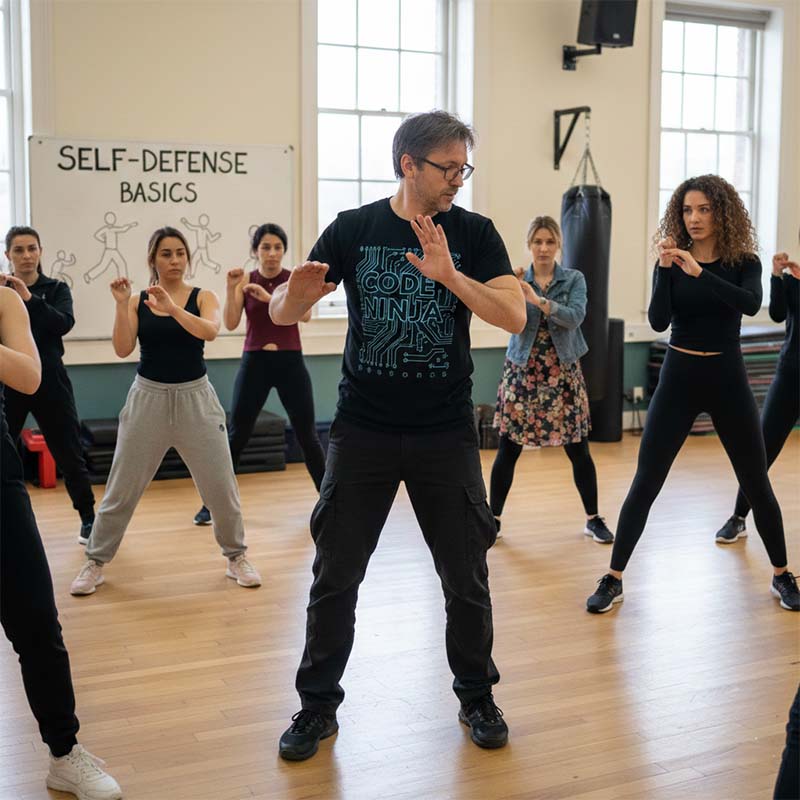
Chi Sao Develops Sensitivity — Not Just Strength
Chi sao (sticking hands) training develops tactile sensitivity — the ability to feel and respond to an opponent's force without relying on vision or reaction time alone. This type of sensitivity training is particularly powerful for women, as it allows you to work with an attacker's energy rather than trying to match their raw power.
It Builds Confidence as Well as Skill
The mental and emotional benefits of Wing Chun training are just as significant as the physical ones. Training in a martial art that you know works — one that was designed for you — builds a different kind of confidence. Wing Chun practitioners walk differently. They carry themselves with an awareness and calm that comes from knowing they can handle themselves.

What Wing Chun Training Looks Like for Women
- Siu Nim Tao — foundational form for structure and hand technique
- Centerline and guard training — protecting and attacking the centerline
- Hand techniques — Tan Sao, Pak Sao, Wu Sao, and more
- Footwork — moving efficiently while maintaining structure
- Self-defense applications — applying Wing Chun in realistic scenarios
- Chi sao — sensitivity drills for reading and redirecting force
- Wooden dummy — developing precision and reflexes solo
Frequently Asked Questions
Is Wing Chun good for women's self-defense?
Yes — Wing Chun is one of the best martial arts for women's self-defense. It was specifically designed so that a smaller, lighter practitioner can overcome a larger, stronger attacker using structure, sensitivity, and technique rather than muscular force.
Was Wing Chun created by a woman?
According to tradition, Wing Chun was created by Ng Mui, a Shaolin nun, and passed down to a young woman named Yim Wing Chun — from whom the style takes its name.
Do I need to be strong or athletic to learn Wing Chun as a woman?
No. Wing Chun's power comes from body structure and the redirection of force — not muscular effort. Women of all fitness levels and ages can learn Wing Chun and develop genuine self-defense capability.
Can women learn Wing Chun online?
Absolutely. Online Wing Chun training allows women to practice in complete privacy, on their own schedule, without the self-consciousness that some feel when starting a new martial art in a group setting.
Wing Chun is for everyone — but it was made with women in mind from the very beginning. If you're ready to start, download the free Siu Nim Tao eBook and explore our Wing Chun online training and certification program. Your journey to confidence and capability starts today.
Start the Wing Chun Online Certification Course
The complete Wing Chun system taught by a 3rd Generation Ip Man lineage master. No partner needed, no local school required. Beginner to certified Sifu — fully online.
View the Course →