Wing Chun Solo Training: How to Practice Without a Partner
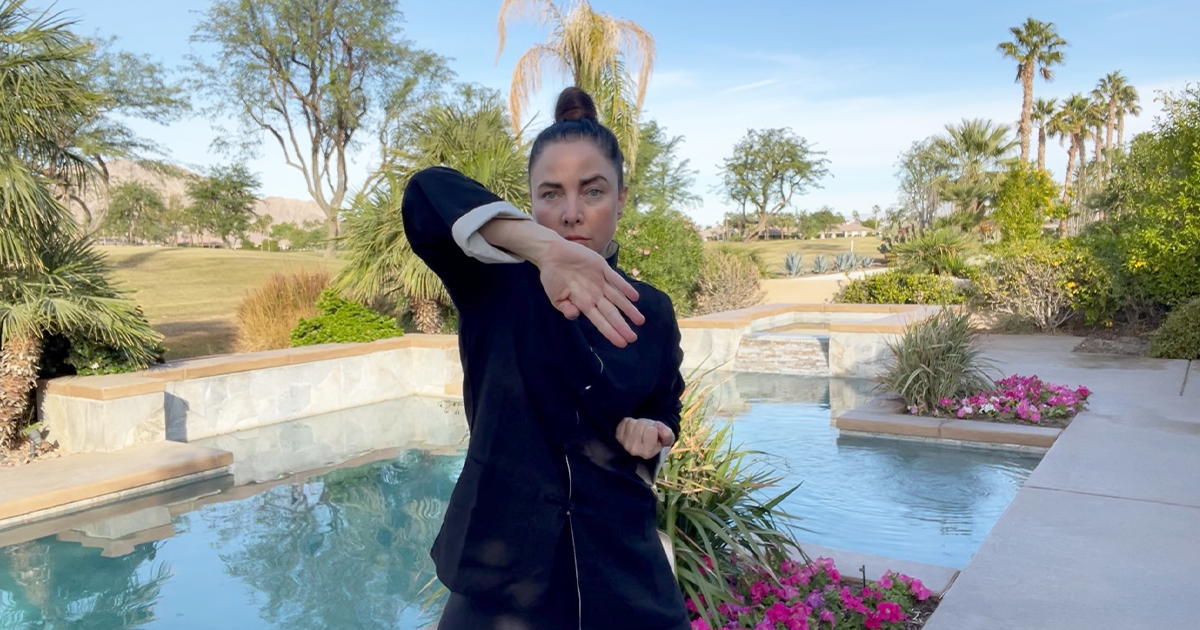
Wing Chun Was Designed for Solo Practice
One of Wing Chun's greatest practical advantages is that most of its core curriculum can be trained alone. Unlike grappling arts that require a partner to develop real skill, Wing Chun's foundational tools — the three empty-hand forms, wooden dummy techniques, and structural drilling — are all designed for individual practice. This is not a compromise. It is intentional design.
The legendary practitioners of Wing Chun often trained in isolation for extended periods. The forms exist precisely to preserve the art's principles in a format that requires no partner, no equipment, and no school.
The Four Pillars of Wing Chun Solo Training
1. Siu Nim Tao — The Foundation of Everything
Siu Nim Tao is the most important solo drill in Wing Chun and the one that rewards the most consistent repetition. Practiced slowly and deliberately, it develops structural connection, relaxed power, and centreline awareness. Do not rush it. The slower you perform Siu Nim Tao, the more it gives you. Advanced practitioners return to this form throughout their entire training lives.
Practice Siu Nim Tao at least once daily. Focus on one quality per session — relaxed shoulders in one session, wrist position in the next, centreline connection in another. Drilling the entire form while trying to focus on everything at once produces less improvement than single-quality focus.
2. Chum Kiu — Adding Movement
Chum Kiu introduces pivoting, stepping, and the integration of footwork with hand techniques. Solo practice of Chum Kiu develops the ability to generate power through body rotation rather than arm strength — one of Wing Chun's core mechanical principles. The pivot practice alone, done correctly, will transform how your strikes feel.
3. Wooden Dummy Training
The Mook Yan Jong is Wing Chun's purpose-built solo training tool. The 116 dummy techniques develop timing, power application, and transitional fluency between techniques. If you have access to a dummy, it should be a central part of your solo practice. If not, the techniques can be practiced in the air — a legitimate alternative that develops the same structural qualities.
4. Shadowboxing and Visualization
Solo shadowboxing in Wing Chun is not random — it is structured visualization. Practice specific combinations responding to specific attacks. Mentally place an opponent in front of you and work through your responses. This develops the same neurological patterns as partner drilling when done deliberately and consistently.
Solo Training Schedule
- Daily minimum (20 minutes): One complete Siu Nim Tao, 10 minutes shadowboxing
- Standard session (30-45 minutes): Siu Nim Tao, Chum Kiu, 15 minutes shadowboxing or dummy work
- Full session (60+ minutes): All three forms, full dummy set, specific technique drilling
- Key principle: 20 focused minutes daily beats 90 distracted minutes twice a week
What Solo Training Cannot Replace
Solo training builds structure, technique, and physical conditioning. It cannot develop Chi Sao sensitivity — the tactile awareness that comes from actual contact with another person. Supplement solo training with partner sessions whenever possible, or with a qualified online instructor who can review your technique via video.
Frequently Asked Questions
Can you train Wing Chun alone?
Yes. Wing Chun is exceptionally well-suited to solo training. The three empty-hand forms, wooden dummy techniques, and shadowboxing drills are all designed for individual practice and will develop genuine skill when practiced consistently.
What is the best solo Wing Chun drill?
Siu Nim Tao practiced slowly and deliberately is the single most valuable solo drill. It develops the structure, relaxation, and centreline connection that underpin every other technique in the system.
How long should I train Wing Chun alone each day?
20-30 minutes of focused daily practice produces faster results than longer infrequent sessions. Consistency matters more than duration — daily practice builds muscle memory that sporadic long sessions cannot replicate.
Can I get a Wing Chun certification training alone?
Yes — the Wing Chun Online Certification Course is specifically designed for solo home practice with video assessment at each level. No partner or equipment required.
Ready to start your solo Wing Chun training with proper structure and guidance? Enroll in the Wing Chun Online Certification Course — designed specifically for home practice.