Wing Chun vs Boxing: Which Is Better for Self-Defense?
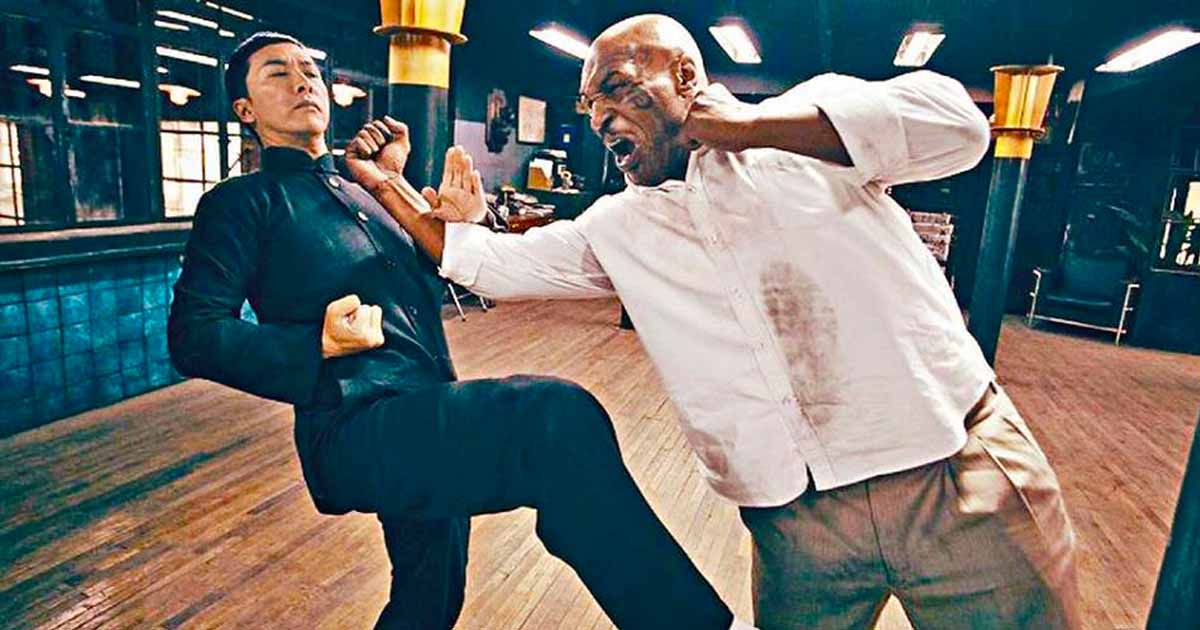
Wing Chun vs Boxing: A Straight Answer
Wing Chun and boxing are both striking-based martial arts, and comparing them is one of the most popular debates in the martial arts world. Both systems are effective — but they were designed with different goals, environments, and opponents in mind. Understanding what each system was built for is the key to deciding which one is right for you.
The Core Differences
Range and Distance
Boxing is designed for a specific range where two opponents throw hooks, jabs, and crosses while staying out of clinching range. Wing Chun is designed for extremely close-range combat — the range where most street encounters actually take place. Wing Chun thrives in situations where there is no room to set up footwork or wind up a big punch.
Targets
Boxers target the head and body — areas deliberately protected in sport boxing. Wing Chun targets the centerline of the body, including the throat, eyes, nose, and groin — vulnerable areas avoided in sport boxing. In a real self-defense scenario, this difference in targeting is significant.
Simultaneous Attack and Defense
Most martial arts — including boxing — teach you to block first, then counterattack. Wing Chun teaches you to do both at the same time. This simultaneous approach is critically important in real situations where every fraction of a second matters.
Power Generation
Boxing punches generate power through rotation of the hips, shoulders, and trunk. Wing Chun's chain punch travels in a straight vertical-fisted line along the centerline, generating force through structural alignment and forward pressure — not rotation. Wing Chun punches can be thrown rapidly in close quarters where a boxer cannot generate full hip rotation.
Strengths Side by Side
- Wing Chun: Highly effective at extremely close range
- Wing Chun: Targets vulnerable areas not covered in sport boxing
- Wing Chun: Relies on structure, not size — accessible to smaller practitioners
- Wing Chun: Simultaneous attack and defense saves critical time
- Wing Chun: Chi sao develops sensitivity and response to unexpected attacks
- Boxing: Heavy sparring builds real combat timing and pressure-testing
- Boxing: Excellent head movement and defensive footwork
- Boxing: Elite fitness and conditioning standards
Which Is Better for Self-Defense?
For a real-world self-defense situation — not a sport competition — Wing Chun's targeting, close-range efficiency, and principles of using an attacker's force against them give it meaningful advantages. Most street confrontations happen at very close range, with no referee, no gloves, and no rules. Wing Chun was specifically designed for exactly this environment.
Frequently Asked Questions
Is Wing Chun better than boxing for self-defense?
Wing Chun excels at close-range defense, targeting vulnerable areas, and using an attacker's force against them. For real-world self-defense without rules or gloves, Wing Chun's principles are often highly practical.
Can Wing Chun beat boxing?
In a controlled ring, an experienced boxer has a significant advantage. In a real self-defense situation, Wing Chun's close-range techniques and targeting of vulnerable points can be highly effective.
Does Wing Chun use punches like boxing?
Yes, Wing Chun uses straight chain punches delivered rapidly along the centerline. Unlike boxing punches, they are vertical-fisted and designed for extremely close range, powered by structure rather than hip rotation.
Which is easier to learn — Wing Chun or boxing?
Both have accessible entry points. Boxing's combinations are immediately practical. Wing Chun's Siu Nim Tao is also beginner-friendly, building structure and technique before applying it in partner drills.
Both Wing Chun and boxing are legitimate, effective martial arts. Start your Wing Chun journey today with the Wing Chun online training and certification program and download the free Siu Nim Tao eBook to get your foundation right from day one.
Start the Wing Chun Online Certification Course
The complete Wing Chun system taught by a 3rd Generation Ip Man lineage master. No partner needed, no local school required. Beginner to certified Sifu — fully online.
View the Course →