Wing Chun vs Kung Fu: What's the Difference?
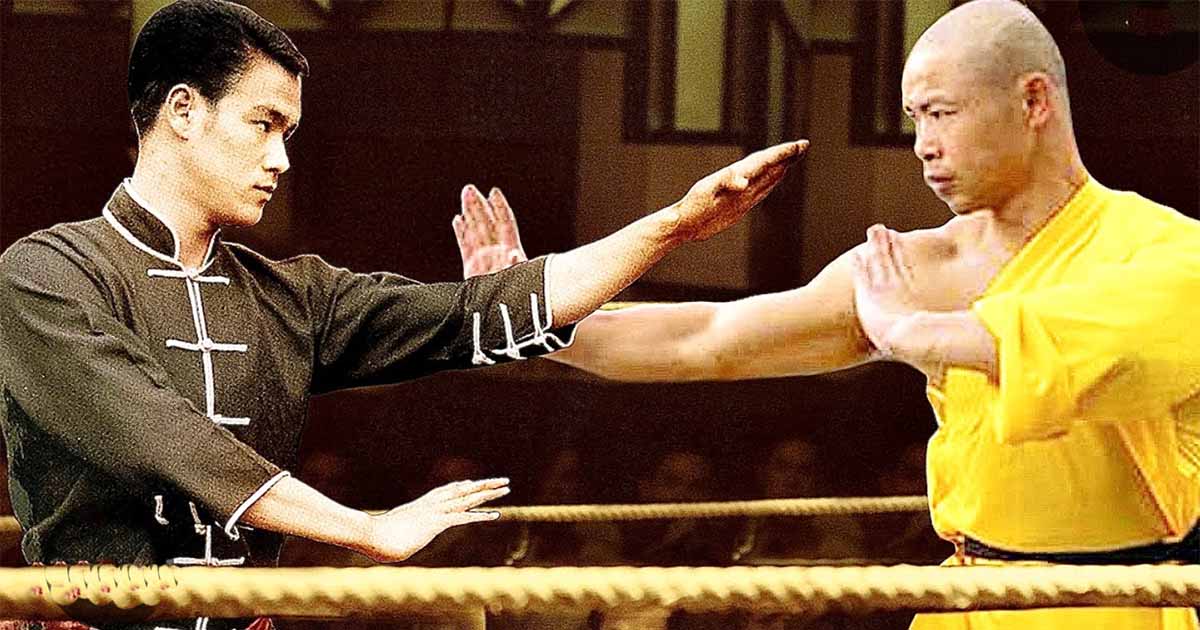
Wing Chun Is Kung Fu — Here's What That Means
If you've ever searched "Wing Chun vs kung fu," you're asking a question that surprises many people when they hear the answer: Wing Chun is kung fu. Kung fu — or more accurately, wushu — is simply the Chinese term for martial arts. It's an umbrella term covering hundreds of distinct fighting systems developed over thousands of years across China. Wing Chun is one of those systems — one of the most celebrated and widely practised in the world.
So the real comparison isn't "Wing Chun vs kung fu." It's Wing Chun vs other styles of kung fu. Understanding this distinction is the first step to knowing whether Wing Chun is the right martial art for you.
What Is Kung Fu?
Kung fu encompasses an enormous range of Chinese martial arts, each with its own philosophy, techniques, and training methods. Some well-known styles include:
- Wing Chun — close-range, efficient, structure-based striking
- Shaolin Kung Fu — wide-ranging style known for power, athleticism, and weapons
- Tai Chi — internal martial art emphasizing flow, relaxation, and energy
- Hung Gar — Southern style known for strong stances and powerful striking
- Praying Mantis — fast, angular style that mimics the praying mantis insect
- Baguazhang — circular footwork and palm-striking internal style
- Choy Li Fut — long-range Southern style combining circular and linear attacks
What Makes Wing Chun Unique Among Kung Fu Styles?
Wing Chun was developed — according to tradition — by a woman named Ng Mui, a Shaolin nun who distilled the most efficient combat principles into a compact, direct system. That origin reflects Wing Chun's core philosophy: you don't need size, strength, or athleticism to defend yourself effectively.
Centerline Theory
Wing Chun's most distinctive principle is the centerline — an imaginary vertical line running through the center of your body and your opponent's. Every Wing Chun technique is designed to protect your own centerline while attacking your opponent's, creating maximum efficiency in every movement.
Economy of Motion
Where many kung fu styles have elaborate, wide movements, Wing Chun favors compact, direct techniques. Every movement serves a clear purpose. There is no wasted motion — the shortest path is always preferred.
Simultaneous Attack and Defense
Most martial arts teach you to block first, then counterattack. Wing Chun teaches you to do both at the same time. This simultaneous attack-defense approach is one of the reasons Wing Chun is so effective in real-world situations where speed is everything.
Sensitivity Over Strength
Through chi sao (sticking hands) training, Wing Chun practitioners develop tactile sensitivity — the ability to feel and redirect an opponent's force without relying on muscle. This makes Wing Chun one of the few martial arts where a smaller practitioner can genuinely overcome a larger, stronger opponent.
Wing Chun vs Other Kung Fu: Which Is Right for You?
- Want practical self-defense quickly? Wing Chun's direct, efficient system is ideal.
- Want a complete fitness workout? Shaolin Kung Fu's athleticism and breadth may appeal more.
- Want to reduce stress and build internal energy? Tai Chi is excellent for this purpose.
- Want weapons training early on? Styles like Shaolin or Hung Gar introduce weapons sooner.
- Want a logical, compact system to learn online? Wing Chun's structured curriculum is perfect.
Frequently Asked Questions
Is Wing Chun a type of kung fu?
Yes. Wing Chun is a style of kung fu — specifically a Southern Chinese martial art developed for close-range combat. Kung fu is an umbrella term for hundreds of Chinese martial arts styles, and Wing Chun is one of the most well-known.
What makes Wing Chun different from other kung fu styles?
Wing Chun is distinct for its centerline theory, economy of motion, simultaneous attack and defense, and close-range striking. It relies on structure and sensitivity rather than size or strength.
Is Wing Chun better than other kung fu styles?
It depends on your goals. Wing Chun excels at close-range self-defense and is highly practical. Other kung fu styles may emphasize different strengths such as long-range striking, acrobatics, or weapons training.
Which is easier to learn — Wing Chun or other kung fu?
Wing Chun is often more accessible because its curriculum is compact and logical. The three empty-hand forms — Siu Nim Tao, Chum Kiu, and Biu Tze — provide a clear, progressive learning path.
Wing Chun's directness, practicality, and logical structure make it one of the best starting points in the entire world of Chinese martial arts. Begin your journey today with our Wing Chun online training and certification program.
Start the Wing Chun Online Certification Course
The complete Wing Chun system taught by a 3rd Generation Ip Man lineage master. No partner needed, no local school required. Beginner to certified Sifu — fully online.
View the Course →